
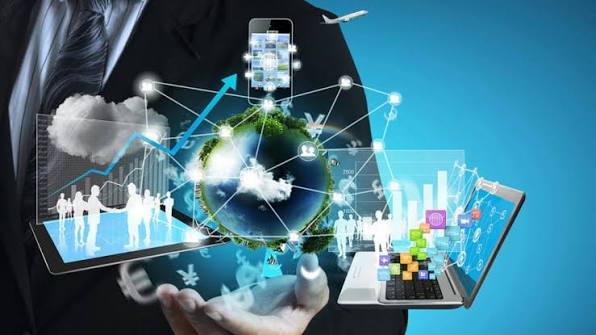
Technology has become an essential part of modern life, making daily activities faster, more convenient, and more enjoyable. Whether it is communicating with loved ones, shopping online, managing finances, or improving healthcare, innovation continues to transform the way people live and work. Digital platforms such as bos88link.it.com also demonstrate how technology has expanded access to online services, offering users greater convenience and flexibility. As technology continues to evolve, its influence on everyday experiences becomes even more significant, helping individuals and businesses achieve more with less effort.
The Evolution of Everyday Technology
Over the past few decades, technological advancements have dramatically changed everyday life. Tasks that once required hours can now be completed within minutes using smartphones, computers, and cloud-based applications. From paying bills online to attending virtual meetings, technology has simplified routines while increasing productivity.
People no longer need to rely on physical paperwork for many daily tasks. Digital records, online banking, and secure payment systems have reduced paperwork, minimized errors, and made information more accessible than ever before.
Smartphones: The Center of Daily Life
Smartphones have become one of the most important technological innovations of modern times. They combine communication, entertainment, navigation, productivity, and financial management into a single portable device.
Today, smartphones allow users to:
- Instantly communicate through messaging and video calls.
- Navigate unfamiliar places with GPS.
- Shop online anytime.
- Manage bank accounts securely.
- Monitor health and fitness.
- Access educational content from anywhere.
The convenience of carrying multiple tools in one device has fundamentally changed how people organize their daily activities.
Smart Homes Make Living Easier
Smart home technology continues to improve comfort and convenience. Devices connected through the Internet of Things (IoT) allow homeowners to automate many routine tasks.
Popular smart home features include:
- Voice-controlled assistants
- Smart lighting systems
- Automated thermostats
- Security cameras
- Video doorbells
- Smart appliances
These technologies help save energy while improving home security and reducing manual effort.
Artificial Intelligence Is Transforming Daily Activities
Artificial Intelligence (AI) has quietly become part of everyday life. Many people use AI-powered tools without even realizing it.
Examples include:
- Personalized shopping recommendations
- Voice assistants
- Email spam filtering
- Navigation apps
- Language translation
- Customer service chatbots
AI analyzes user preferences to provide faster, more personalized experiences. Businesses also benefit from AI by automating repetitive tasks and improving customer support.
Online Shopping Has Become More Convenient
Technology has completely transformed the shopping experience. Consumers now enjoy the ability to browse thousands of products without leaving home.
Modern e-commerce platforms provide:
- Secure online payments
- Product comparisons
- Customer reviews
- Fast delivery tracking
- Personalized recommendations
- Flexible payment options
These features save time while helping customers make informed purchasing decisions.
Digital Payments Simplify Financial Transactions
Cashless payments continue to grow worldwide. Mobile wallets, contactless cards, and online banking have made financial transactions faster and more secure.
Benefits include:
- Instant transfers
- Reduced cash handling
- Better expense tracking
- Improved security
- Global accessibility
Businesses also benefit through faster checkout processes and improved financial management.
Healthcare Is Becoming More Accessible
Technology has greatly improved healthcare services. Telemedicine allows patients to consult healthcare professionals remotely, reducing travel time and improving access to medical advice.
Other healthcare innovations include:
- Electronic medical records
- Wearable fitness devices
- Remote patient monitoring
- AI-assisted diagnostics
- Digital prescription management
These advancements contribute to earlier diagnoses, better treatment planning, and improved patient outcomes.
Education Has Expanded Beyond Classrooms
Learning is no longer limited to traditional classrooms. Online education platforms provide access to courses from anywhere in the world.
Students can now:
- Attend virtual classes
- Watch recorded lectures
- Participate in interactive discussions
- Complete assignments online
- Earn professional certifications
This flexibility allows learners to balance education with work and personal responsibilities.
Remote Work Is Redefining Productivity
Modern technology has enabled millions of people to work remotely. Cloud computing, collaboration software, and video conferencing platforms allow teams to stay connected regardless of location.
Advantages of remote work include:
- Flexible schedules
- Reduced commuting time
- Improved work-life balance
- Lower operational costs
- Access to global talent
Businesses have adapted quickly by adopting digital collaboration tools that maintain productivity across distributed teams.
Entertainment Has Become More Personalized
Technology has revolutionized entertainment by giving users greater control over what they watch, listen to, and play.
Streaming services offer personalized recommendations based on viewing habits, while music platforms create customized playlists tailored to individual preferences.
Gaming has also advanced through cloud gaming, virtual reality, and multiplayer experiences that connect players around the world.
Navigation Technology Saves Time
GPS technology has transformed travel and transportation. Navigation apps provide real-time traffic updates, alternative routes, and estimated arrival times.
These tools help drivers:
- Avoid congestion
- Discover faster routes
- Locate nearby services
- Improve travel efficiency
Businesses also use GPS technology to optimize deliveries and manage vehicle fleets.
Wearable Technology Promotes Health
Wearable devices have become increasingly popular for monitoring health and fitness.
Many smartwatches can track:
- Heart rate
- Daily steps
- Sleep quality
- Blood oxygen levels
- Exercise performance
These insights encourage healthier habits while allowing users to monitor their overall well-being more effectively.
Cloud Computing Supports Daily Life
Cloud technology enables users to store and access files from multiple devices. Whether working from home, traveling, or studying, cloud storage ensures important documents remain available.
Benefits include:
- Automatic backups
- Easy file sharing
- Remote collaboration
- Enhanced accessibility
- Reduced hardware dependence
Cloud computing has become a foundation for both personal and professional productivity.
Social Media Strengthens Global Connections
Social media platforms have transformed communication by enabling people to connect instantly across the globe.
Families stay in touch through video calls and messaging, while businesses engage directly with customers through digital communities.
Creators also use social platforms to share knowledge, build audiences, and promote their work without geographical limitations.
Cybersecurity Protects Digital Experiences
As technology advances, protecting personal information becomes increasingly important. Cybersecurity tools help defend against fraud, identity theft, and unauthorized access.
Common security practices include:
- Strong passwords
- Two-factor authentication
- Secure encryption
- Regular software updates
- Antivirus protection
Maintaining good cybersecurity habits ensures safer digital experiences for both individuals and organizations.
Automation Reduces Repetitive Work
Automation has simplified countless daily processes across industries.
Businesses automate:
- Data entry
- Inventory management
- Customer support
- Appointment scheduling
- Financial reporting
Automation reduces human error while allowing employees to focus on more valuable and creative tasks.
Transportation Continues to Evolve
Technology has significantly improved transportation systems.
Modern innovations include:
- Electric vehicles
- Ride-sharing applications
- Smart traffic management
- Autonomous driving research
- Digital ticketing systems
These developments improve efficiency, reduce environmental impact, and enhance passenger convenience.
Sustainability Through Innovation
Technology plays an important role in creating a more sustainable future.
Examples include:
- Renewable energy management
- Smart electricity grids
- Energy-efficient appliances
- Digital document management
- Waste reduction systems
These innovations help individuals and organizations reduce their environmental footprint while improving resource efficiency.
The Future of Everyday Technology
Emerging technologies such as advanced AI, augmented reality, robotics, and next-generation connectivity will continue shaping daily experiences. Future innovations may further simplify healthcare, education, transportation, communication, and entertainment while creating new opportunities for businesses and consumers alike.
As these technologies mature, users can expect even more personalized services, smarter automation, and greater convenience across nearly every aspect of life.
Conclusion
Modern technology has become deeply integrated into everyday life, improving communication, healthcare, education, transportation, shopping, entertainment, and workplace productivity. From smartphones and smart homes to artificial intelligence and cloud computing, innovation continues to simplify daily routines while creating new opportunities for growth and efficiency. As technological advancements continue to accelerate, individuals and businesses that embrace digital transformation will be better equipped to enjoy safer, smarter, and more connected everyday experiences.